product SWAPS, BETTER HEALTH
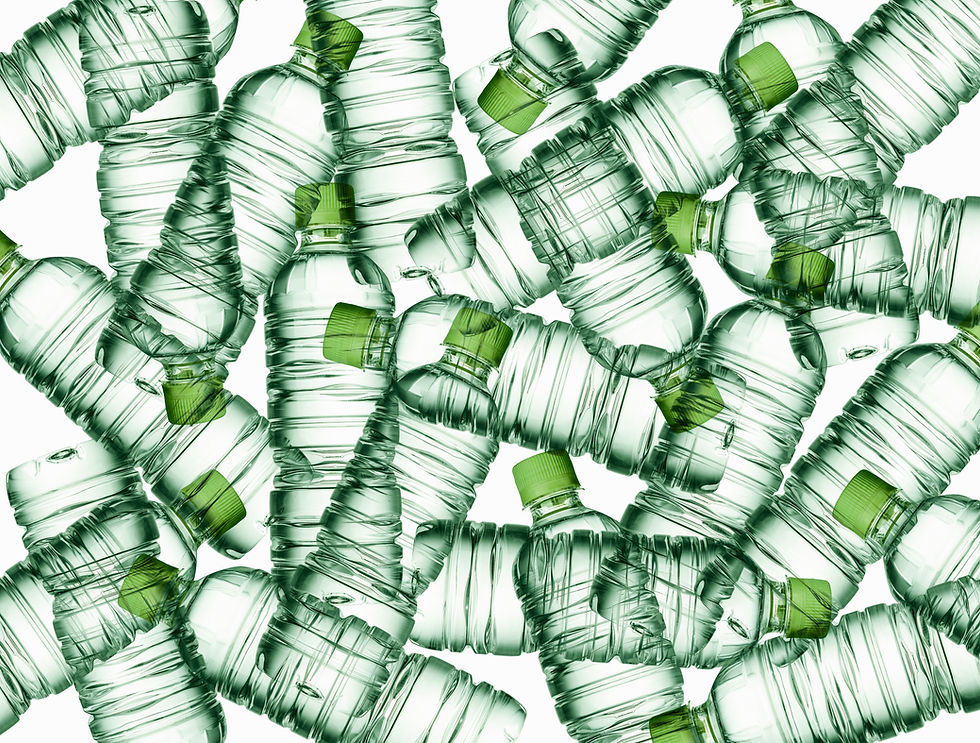
Everyday plastics and chemicals are more than just convenience, they are a hidden threat to your health. We provide evidence based guidance to minimise exposure and suggest choices for how to replace the dangerous plastics and chemicals in your everyday lives.
The Hidden Chemicals in Your Daily Life
The plastics we use every day aren't as harmless as they look. Many contain chemicals, including BPA, phthalates, and bisphenols, that interfere with your hormones, affect fertility and have been linked to cancer. Knowing what you're dealing with is the first step to protecting you and your family's health.

DEEP DIVES


Small Changes, Big Impact
Reducing chemical exposure doesn't require an overnight overhaul. Here in Australia, simple daily swaps significantly lower your contact with hormone disruptors. Over time, these tiny shifts protect your body's natural balance and reduce the toxic load on your family's health.
Pure Hydration
Switching to a stainless steel bottle can reduce your exposure to BPA and microplastics found in typical bottled water.
Safe Cooking
Choosing cast iron or glass over non-stick prevents 'forever chemicals' from leaching into your meals during high-heat cooking.
Natural Skincare
Replacing plastic-bottled personal care with solid bars eliminates phthalates that can absorb through your skin every morning.
Product Swaps - under development
Discover safe alternatives to the plastics you use every day, that will have a big impact on your chemical exposure. Even small changes will help.
Check back in soon - this section is under development and will be available shortly

Cookware
Ditch non-stick. Cast iron, stainless steel, or carbon steel won't leach PFAS into your food.

Skin absorbs what you put on it. Parabens and phthalates in everyday products enter your bloodstream daily.
Personal Care

Beauty products
Heavy metals, formaldehyde, and hormone-disrupting chemicals are common in mainstream makeup and nail polish.

Cleaning products
Many conventional cleaners release invisible chemicals into the air that you breathe in long after the surface looks clean.

Clothing & textiles
Synthetic fabrics release microplastics with every wash, and most "wrinkle-free" finishes are coated in toxic chemicals.

Furniture & flooring
Pressed wood, foam and synthetic carpet quietly off-gas formaldehyde and flame retardants into your home air for years.

Food choices
Pesticide residues accumulate in the body over time, the risk is invisible but consistent across every meal.

Food storage
BPA and phthalates migrate from plastic containers into food, especially when food is hot, fatty or acidic.

Childrens toys
Soft PVC toys contain phthalates that leach and kids are far more vulnerable to chemical exposure than adults.